.:[Double Click To][Close]:.

Online CPM Advertising | Advertising blog
Showing posts with label xvid doc. Show all posts

An American Family- The Complete Series (1973-2003)- VHS Rip (XviD)


"But leclisse...hardly anyone knows about the Loud family. Why in Gods name would you be posting such a trivial early seventies television program? So what if An American Family was the very first reality show ever, Lance Loud was the first openly gay person in the history of American television, and the program foreshadowed the ever-so-slow degradation of consumer based American society. That's boring!"

"Whatever..."

Here's An American Family. Welcome to the American Dream!


LoveAndSqualor's editorial note: We posted the first three episodes a while back, and then had some trouble uploading the rest of them to Megavideo. They're all streaming now, along with links for downloading.

The VHS rip quality is godawful, but it's still substantially better than the other versions out there. We will upgrade when we can (apparently, the library at NYU has a set of DVDs sourced from the masters, so if anyone has access and could make us a copy, we would be very very appreciative...)

leclisse note: This is a complete re-working of our older post, pre-Cinema Verite. I cannot believe what a crappy Lance Loud HBO got for the part. They (HBO) made the horrid mistake of giving the bad actor a David Cassidy hair-do too, and Lance would have never been caught dead with a David Cassidy hair-do. Did they not bother to watch the original program? Other than the Lance mis-step and the poor dialogue handed to James Gandolfini, Cinema Verite was a very interesting program. Tim Robbins and the oh-so-beautiful Diane Lane were the perfect Bill and Pat Loud.

For all you young retards out there in RetardLand that thought The Real Life was the first reality show...well...you were sadly mistaken. We have An American Family to thank, or curse.


From subci.com:

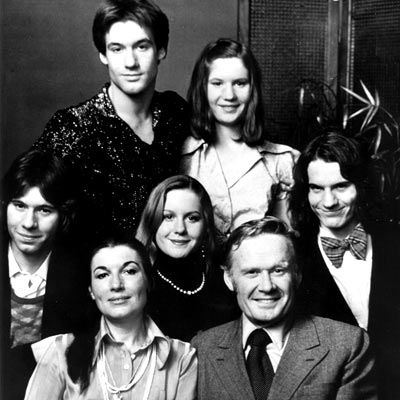
An American Family was television's first reality show, shot documentary style in 1971 and first aired in the United States on PBS in 1973. The show was twelve episodes long, edited down from about 300 hours of footage, and chronicled the experience of a nuclear family, the Loud family of Santa Barbara, California, during a period of time when parents Bill and Pat Loud separated (in a infamous and powerful on-camera sequence) and Pat filed for divorce.

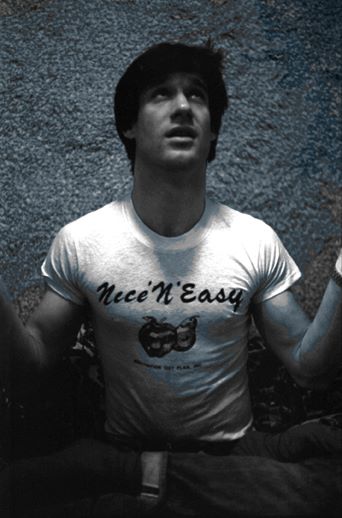
The Louds had five children. One of them, Lance, was a gay 20-year-old man who occasionally wore lipstick and women's clothes and took his mother to a drag show in the second episode of the series. He lived in the Chelsea Hotel during its Warholesque heydey and this is captured in the second episode (Holly Woodlawn was his neighbor and appears in several scenes, along with Candy Darling, Jackie Curtis, and other famous drag queens of the time). Scholars sometimes mention that Lance came out of the closet on TV, but this is technically incorrect — he was simply gay without announcement or drama; his family says that they had known for quite a while. As such, Lance was the first openly gay character on television and has become something of a gay icon.

On airing, the show drew over 10 million viewers — phenomenal viewership for PBS in 1973 (or even presently) — and drew considerable controversy. The series was widely discussed in the media in 1973, and the Loud family appeared on the cover of the March 12, 1973 issue of Newsweek magazine.

In 1983, PBS broadcast AMERICAN FAMILY REVISITED, and in 2003 PBS broadcast A DEATH IN AN AMERICAN FAMILY, shot in 2001, visiting Lance and his family again at Lance's request. Lance was 50 years old, had gone through 20 years of addiction to crystal meth, and was HIV positive and dying of hepatitis C. In the winter of 2001, a few months after 9/11, Lance Loud was gone. Far from a conventional "happy ending", watching the entire arc of this brilliant masterpiece from start to finish is unforgettable: Lance's downfall from a young, vibrant and magnetically alive kid in 1973, to a man reaching middle age in 1983 (with shorter hair but still cheerful) to the incredibly painful final images of him in 2001(at the age of 50), walking with a cane, losing teeth, looking like a non-survivor of a concentration camp ... it is a truly shattering experience.


pbs- an american family

Technical Information:

Show Title: An American Family
Year: 1973
Country: USA

Source: VHS rip
Video Codec: XviD
Container: .avi
Programs used: Unknown

Resolution: 368x272
Aspect Ratio: 4:3
Video: MPEG 4 @ ~848 kb/s
Frame Rate: 29.97 fps

Audio: English- MP3 Stereo @ 99 kb/s
Subtitles: None


Episode: 01
Size: 355 MB
Length: 0:58:33


Episode 01 Megaupload Link


Episode: 02
Size: 346 MB
Length: 0:59:10


Episode 02 Megaupload Link


Episode: 03
Size: 332 MB
Length: 0:58:18


Episode 03 Megaupload Link


Episode: 04
Size: 370 MB
Length: 0:58:53


Episode 04 Megaupload Link


Episode: 05
Size: 369 MB
Length: 0:58:41


Episode 05 Megaupload Link


Episode: 06
Size: 332 MB
Length: 0:58:04


Episode 06 Megaupload Link


Episode: 07
Size: 336 MB
Length: 0:58:26


Episode 07 Megaupload Link


Episode: 08
Size: 364 MB
Length: 0:59:03


Episode 08 Megaupload Link


Episode:09
Size: 288 MB
Length: 0:58:48


Episode 09 Megaupload Link


Episode: 10
Size: 414 MB
Length: 0:58:21


Episode 10 Megaupload Link


Episode: 11
Size: 353 MB
Length: 0:58:27


Episode 11 Megaupload Link


Episode: 12
Size: 349 MB
Length: 0:58:33


Episode 12 Megaupload Link


Technical Information:

Show Title: An American Family
Episode: Revisited: The Louds 10 Years Later
Year: 1983
Country: USA

Source: VHS rip
Video Codec: XviD
Container: .avi
Size: 297 MB
Length: 0:55:38
Programs used: Unknown

Resolution: 384x288
Aspect Ratio: 4:3
Video: MPEG 4 @ ~747 kb/s
Frame Rate: 29.97 fps

Audio: English- MP3 Stereo @ 104 kb/s
Subtitles: None


The Louds 10 Years Later Megaupload Link


Technical Information:

Show Title: An American Family
Episode: Lance Loud: A Death in an American Family
Year: 2003
Country: USA

Source: VHS rip
Video Codec: XviD
Container: .avi
Size: 405 MB
Length: 0:56:57
Programs used: Unknown

Resolution: 384x288
Aspect Ratio: 4:3
Video: MPEG 4 @ ~994 kb/s
Frame Rate: 29.97 fps

Audio: English- MP3 Stereo @ 104 kb/s
Subtitles: None


A Death in an American Family Megaupload Link


pbs- an american family

(Use JDownloader to automate downloading)

Complete Series Megaupload Links


Berlin Week: Matt Frei/Sam Hobkinson/David Vincent- Berlin: Dangerous Ideas, Ruined Visions and Ich bin ein Berliner (2009)- DVD Rip (XviD)

matt frei- bbc- berlin
This documentary is EXCELLENT! Matt Frei weaves the history of Berlin seamlessly into a story that almost seems unbelievable at times. This documentary was one of the main reason for having Berlin Week, and although it's in XviD, the picture quality is excellent. But as always, we'll upgrade when we find the DVD. This is EXCELLENT!!!


matt frei- bbc- berlin

From the Open University:

Berlin has seen everything from Nazi imperialism to the first gay mayor; it has been home to some of history’s most influential people including Bertholt Brecht, Marlene Dietrich and Einstein; and it’s a city that has been steeped in controversy and contradiction throughout the centuries. Co-produced by The Open University, Berlin is a new three-part documentary written and presented by award-winning, German-born, journalist Matt Frei, who unveils the turbulent and dramatic story of this city from the Prussian years right through to the fall of the Berlin Wall.

Matt Frei, now Anchor of BBC World News America and host of ‘Americana’ on Radio Four, took up the post of the BBC’s Bonn Correspondent in Germany on the same day as the fall of the Berlin Wall, and revisits his own past in this series: “Making a film about a city I love, whose happiest milestone I was lucky enough to witness and where layers of history, good but mostly bad, have collided with consequences for the rest of the world is a gift for any journalist. To do it in both English and German was a first for me."


matt frei- bbc- berlin

Drawing bold connections between events, characters, art and architecture from 200 years of turbulent history, the series – which is shot in English and German - reveals how the ideas, buildings and people of Berlin have become iconic symbols of our times. Travelling back and forth in time between the fall of the Berlin wall in 1989, the 18th century Prussian years, Hitler’s Third Reich and Cold War Berlin, we discover a city of contrasts – divided and shaped by its own history.

Dr Sylvia Warnecke, an expert in the cultural policy of the former East Germany, is The Open University’s academic consultant to the series and was involved in underground democratic political movements in East Germany in the 1980s. Sylvia said: “Unlike many other European cities, Berlin’s identity has moved and shifted as history has unfolded, something that has been reflected in its cultural scene. In a sense, Berlin is braver because of its turbulent past, and there is a real sense of endeavour and innovation. The series gets to the essence of this unique city, and brings a fresh view to a place that many viewers will think that they already know.”


matt frei- bbc- berlin

Part 1 Technical Information:

Show Title: Berlin
Episode: Part 1: Dangerous Ideas
Original Airdate: November 14, 2009
Director: Sam Hobkinson
Writer/Presenter: Matt Frei
Country: UK

Source: DVD Retail
Video Codec: XviD
Container: .avi
Size: 745 MB
Length: 0:58:26
Programs used: Unknown

Resolution: 704x400
Aspect Ratio: 16:9
Video: MPEG4 @ ~2000 kb/s
Frame Rate: 25 fps

Audio: English- Dolby AC3 Stereo @ 192 kb/s
Subtitles: None


Part 1: Dangerous Ideas Megaupload Link


matt frei- bbc- berlin

Part 2 Technical Information:

Show Title: Berlin
Episode: Part 2: Ruined Visions
Original Airdate: November 21, 2009
Director: Sam Hobkinson and David Vincent
Writer/Presenter: Matt Frei
Country: UK

Source: DVD Retail
Video Codec: XviD
Container: .avi
Size: 745 MB
Length: 0:59:00
Programs used: Unknown

Resolution: 704x400
Aspect Ratio: 16:9
Video: MPEG4 @ ~2000 kb/s
Frame Rate: 25 fps

Audio: English- Dolby AC3 Stereo @ 192 kb/s
Subtitles: None


Part 2: Ruined Visions Megaupload Link


matt frei- bbc- berlin

Part 3 Technical Information:

Show Title: Berlin
Episode: Part 3: Ich bin ein Berliner
Original Airdate: November 28, 2009
Director: Sam Hobkinson
Writer/Presenter: Matt Frei
Country: UK

Source: DVD Retail
Video Codec: XviD
Container: .avi
Size: 745 MB
Length: 0:58:55
Programs used: Unknown

Resolution: 704x400
Aspect Ratio: 16:9
Video: MPEG4 @ ~2000 kb/s
Frame Rate: 25 fps

Audio: English- Dolby AC3 Stereo @ 192 kb/s
Subtitles: None


Part 3: Ich bin ein Berliner Megaupload Link


matt frei- bbc- berlin


Adam Curtis- The Century of the Self (2002)- DVD Rip (DivX)

adam curtis- the century of the self
The Century of the Self is widely considered to be the best documentary ever made, and I agree. Its' the tits! But what's odd about this earth-rattling four-part documentary is that it's never had an official video release (in any format), with a horrible VHS rip (with tracking problems)the only option. Hmmmmmm...maybe this should have bee a Conspiracy Theory Jamboree post.So here's a hard-to-find upgrade from that horrid VHS. In no way is it perfect (BBC Worldwide logo throughout), bit it's a definite upgrade.

If you've never seen The Century of the Self, I'd have to wonder what rock you've been hiding under since 2002. Then I would implore you to download it, before it's too late and you end up purchasing an iPad and succumbing to The System. L&S wants to design an app for FTD (its icon eerily resembling an ethereal Canadian flag), but I'm all that stands in the way of "progress".

Enjoy some truth!

adam curtis- the century of the self

From BBC Four:

To many in both politics and business, the triumph of the self is the ultimate expression of democracy, where power has finally moved to the people. Certainly the people may feel they are in charge, but are they really? The Century of the Self tells the untold and sometimes controversial story of the growth of the mass-consumer society in Britain and the United States. How was the all-consuming self created, by whom, and in whose interests?

The Freud dynasty is at the heart of this compelling social history. Sigmund Freud, founder of psychoanalysis; Edward Bernays, who invented public relations; Anna Freud, Sigmund's devoted daughter; and present-day PR guru and Sigmund's great grandson, Matthew Freud.

Sigmund Freud's work into the bubbling and murky world of the subconscious changed the world. By introducing a technique to probe the unconscious mind, Freud provided useful tools for understanding the secret desires of the masses. Unwittingly, his work served as the precursor to a world full of political spin doctors, marketing moguls, and society's belief that the pursuit of satisfaction and happiness is man's ultimate goal.


adam curtis- the century of the self

From BBC Four:

One: Happiness Machines

The story of the relationship between Sigmund Freud and his American nephew, Edward Bernays. Bernays invented the public relations profession in the 1920s and was the first person to take Freud's ideas to manipulate the masses. He showed American corporations how they could make people want things they didn't need by systematically linking mass-produced goods to their unconscious desires.

Bernays was one of the main architects of the modern techniques of mass-consumer persuasion, using every trick in the book, from celebrity endorsement and outrageous PR stunts, to eroticising the motorcar.

His most notorious coup was breaking the taboo on women smoking by persuading them that cigarettes were a symbol of independence and freedom. But Bernays was convinced that this was more than just a way of selling consumer goods. It was a new political idea of how to control the masses. By satisfying the inner irrational desires that his uncle had identified, people could be made happy and thus docile.

It was the start of the all-consuming self which has come to dominate today's world.


adam curtis- the century of the self

Happiness Machines Technical Information:

Show Title: The Century of the Self
Episode Title: 1. Happiness Machines
Director/Host: Adam Curtis
Original Airdate: 29 April 2002
Country: U.K.

Source: DVD Rip- Not from a VHS source
Video Codec: DivX
Container: .avi
Size: 661 MB
Length: 01:07:30
Programs used: Unknown

Resolution: 632x480
Aspect Ratio: 4:3
Video: MPEG4 @ 1367 kb/s
Frame Rate: 29.97 fps

Audio: English- mp3 @320 kb/s
Subtitles: None


Synopsis: The first episode of the series introduces us to Edward Bernuys, Sigmund Freud's American nephew, and his groundbreaking ideas on population control.


1. Happiness Machines Megaupload Link


adam curtis- the century of the self

From BBC Four:

Two: The Engineering of Consent

The programme explores how those in power in post-war America used Freud's ideas about the unconscious mind to try and control the masses.

Politicians and planners came to believe Freud's underlying premise - that deep within all human beings were dangerous and irrational desires and fears. They were convinced that it was the unleashing of these instincts that had led to the barbarism of Nazi Germany. To stop it ever happening again they set out to find ways to control this hidden enemy within the human mind.

Sigmund Freud's daughter, Anna, and his nephew, Edward Bernays, provided the centrepiece philosophy. The US government, big business, and the CIA used their ideas to develop techniques to manage and control the minds of the American people. But this was not a cynical exercise in manipulation. Those in power believed that the only way to make democracy work and create a stable society was to repress the savage barbarism that lurked just under the surface of normal American life.


adam curtis- the century of the self

The Engineering of Consent Technical Information:

Show Title: The Century of the Self
Episode Title: 2. The Engineering of Consent
Director/Host: Adam Curtis
Original Airdate: 30 April 2002
Country: U.K.

Source: DVD Rip- Not from a VHS source
Video Codec: DivX
Container: .avi
Size: 575 Mb
Length: 00:58:47
Programs used: Unknown

Resolution: 624x464
Aspect Ratio: 4:3
Video: MPEG4 @ 1369 kb/s
Frame Rate: 29.97 fps

Audio: English- mp3 @ 320 kb/s
Subtitles: None


Synopsis: Episode two looks into the theories of Edward Bernuys and Anna Freud, and how different organizations, CIA and corporate America included, applied them to society.


2. The Engineering of Consent Megaupload Link


adam curtis- the century of the self

From BBC Four:

Three: There is a Policeman Inside All Our Heads: He Must Be Destroyed

In the 1960s, a radical group of psychotherapists challenged the influence of Freudian ideas in America. They were inspired by the ideas of Wilhelm Reich, a pupil of Freud's, who had turned against him and was hated by the Freud family. He believed that the inner self did not need to be repressed and controlled. It should be encouraged to express itself.

Out of this came a political movement that sought to create new beings free of the psychological conformity that had been implanted in people's minds by business and politics.

This programme shows how this rapidly developed in America through self-help movements like Werber Erhard's Erhard Seminar Training - into the irresistible rise of the expressive self: the Me Generation.

But the American corporations soon realised that this new self was not a threat but their greatest opportunity. It was in their interest to encourage people to feel they were unique individuals and then sell them ways to express that individuality. To do this they turned to techniques developed by Freudian psychoanalysts to read the inner desires of the new self.


adam curtis- the century of the self

There is a Policeman Inside All Our Heads: He Must Be Destroyed Technical Information:

Show Title: The Century of the Self
Episode Title: 3. There Is a Policeman Inside All Our Heads: He Must Be Destroyed
Director/Host: Adam Curtis
Original Airdate: 01 May 2002
Country: U.K.

Source: DVD Rip- Not from a VHS source
Video Codec: DivX
Container: .avi
Size: 486 Mb
Length: 00:57:54
Programs used: Unknown

Resolution: 640x464
Aspect Ratio: 4:3
Video: MPEG4 @ 1174 kb/s
Frame Rate: 29.97 fps

Audio: English- mp3 @ 320 kb/s
Subtitles: None


Synopsis: Part three addresses how the concepts established by Bernuys were re-assessed during the 1960s, and led to the creation of the "Me" generation in the USA.


3. There Is a Policeman Inside All Our Heads: He Must Be Destroyed Megaupload Link


adam curtis- the century of the self

From BBC Four:

Four: Eight People Sipping Wine in Kettering

This episode explains how politicians on the left, in both Britain and America, turned to the techniques developed by business to read and fulfil the inner desires of the self.

Both New Labour, under Tony Blair, and the Democrats, led by Bill Clinton, used the focus group, which had been invented by psychoanalysts, in order to regain power. They set out to mould their policies to people's inner desires and feelings, just as capitalism had learnt to do with products.

Out of this grew a new culture of public relations and marketing in politics, business and journalism. One of its stars in Britain was Matthew Freud who followed in the footsteps of his relation, Edward Bernays, the inventor of public relations in the 1920s.

The politicians believed they were creating a new and better form of democracy, one that truly responded to the inner feelings of individual. But what they didn't realise was that the aim of those who had originally created these techniques had not been to liberate the people but to develop a new way of controlling them.


adam curtis- the century of the self

Eight People Sipping Wine in Kettering Technical Information:

Show Title: The Century of the Self
Episode Title: 4. Eight People Sipping Wine in Kettering
Director/Host: Adam Curtis
Original Airdate: 02 May 2002
Country: U.K.

Source: DVD Rip- Not from a VHS source
Video Codec: DivX
Container: .avi
Size: 486 Mb
Length: 01:08:37
Programs used: Unknown

Resolution: 632x464
Aspect Ratio: 4:3
Video: MPEG4 @ 1369 kb/s
Frame Rate: 29.97 fps

Audio: English- mp3 @320 kb/s
Subtitles: None


Synopsis: The final chapter explains how contemporary politicians on both sides of the Atlantic adopted and applied the ideas and techniques studied in this series.


4. Eight People Sipping Wine in Kettering Megaupload Link


adam curtis- the century of the self


MLK Day: Martin Luther King XviD Documentary Extravaganza- TV and DVD Rip (XviD)

martin luther king jr.- xvid documentaries
Five excellent documentaries that cover every aspect of Dr. King: from his personal spiritual leanings, anti-war stance, J. Edgar Hoover harassment, to the unanswered questions concerning his assassination (How in the hell did James Earl Ray end up in the U.K? WTF?!?). All interesting in their own right, with the History Channel doc being the weakest of the bunch, but still a worthy download.


martin luther king jr.- xvid documentaries
Who Killed Martin Luther King?

Documentary #1 Technical Information:

Title: Martin Luther King: American Prophet
Year: 2008
Country: UK
Director: Iwan Russell-Jones

Source: BBC TV Rip
Video Codec: XviD
Container: .avi
Size: 456 MB
Length: 0:59:13
Programs used: Unknown

Resolution: 608x336
Aspect Ratio: 4:3
Video: MPEG4 @ ~1100 kb/s
Frame Rate: 25 fps

Audio: English- MP3 Stereo @ 128 kb/s
Subtitles: None


Martin Luther King: American Prophet Megaupload Link


martin luther king jr.- xvid documentaries

Documentary #2 Technical Information:

Show Title: Conspiritus Ubiquitous: Evidence of Revision
Episode Title: 06. Martin Luther King Jr.
Country: USA

Source: DVD Rip
Video Codec: DivX
Container: .avi
Size: 0.97 GB
Length: 2:02:54
Programs used: Unknown

Resolution: 640x480
Aspect Ratio: 4:3
Video: MPEG4 @ ~1140 kb/s
Frame Rate: 30 fps

Audio: English- MP3 Stereo @ 128 kb/s
Subtitles: None


Evidence of Revision: Martin Luther King Jr. Megaupload Links


martin luther king jr.- xvid documentaries

Documentary #3 Technical Information:

Show Title: History Channel: Conspiracy
Episode Title: Who Killed Martin Luther King?
Country: USA
Year: 2004

Source: DVD Rip
Video Codec: XviD
Container: .avi
Size: 349 MB
Length: 0:45:16
Programs used: Unknown

Resolution: 512x384
Aspect Ratio: 4:3
Video: MPEG4 @ ~1078 kb/s
Frame Rate: 29.97 fps

Audio: English- MP3 Stereo @ 160 kb/s
Subtitles: None


Conspiracy: Who Killed Martin Luther King? Megaupload Link


martin luther king jr.- xvid documentaries

Documentary #4 Technical Information:

Title: Dr. Martin Luther King: A Historical Perspective
Director: Thomas Friedman
Country: USA
Year: 1994

Source: DVD Rip
Video Codec: XviD
Container: .avi
Size: 699 MB
Length: 1:00:49
Programs used: Unknown

Resolution: 640x480
Aspect Ratio: 4:3
Video: MPEG4 @ ~1600 kb/s
Frame Rate: 29.97 fps

Audio: English- Dolby AC3 Stereo @ 192 kb/s
Subtitles: None


Dr. Martin Luther King: A Historical Perspective Megaupload Link


martin luther king jr.- xvid documentaries

Documentary #5 Technical Information:

Title: Who Killed Martin Luther King?
Director: John Edgington
Country: UK
Year: 1989

Source: TV Rip
Video Codec: XviD
Container: .avi
Size: 700 MB
Length: 1:04:04
Programs used: Unknown

Resolution: 528x352
Aspect Ratio: 4:3
Video: MPEG4 @ ~1527 kb/s
Frame Rate: 23.97 fps

Audio: English- Dolby AC3 Stereo @ 192 kb/s
Subtitles: None


Who Killed Martin Luther King? Megaupload Link


martin luther king jr.- xvid documentaries

(Use JDownloader to automate downloading)

Complete Extravaganza Megaupload Links


Nick Hornby/Marcel Theroux- The State of Russia: Death of a Nation (2006)- TV Rip (XviD)

marcel theroux- death of a nation
I don't quite remember how I stumbled upon Marcel Theroux's excellent documentary on the state of modern Russia, but I'm glad I did. This is a very sobering look at the underbelly of this proud nation, and although the country's population growth has improved since this documentary aired in 2006, Putin has become Dictator for Life, HIV/AIDS is still a silent epidemic, and nationalism (which doesn't bode well for non-Caucasian Russians) is rearing its ugly head.

We'll soon be posting two other documentaries on Russia that also aired on More4, so look for them in future posts, that is, if you liked this one.

On a personal note:

If I was a Russian who came onto this site and saw this post, I'd more than likely be offended by it. I'm not trying to come off all P.C. here, but I do realize that this doc is made by a Brit who is outside looking in. Also, I come from a country that is so fucked up in so many ways that I feel "who am I to judge...", thus the ambivilence about this post. And besides, I don't want to get kicked from RU Tracker, or end up with Polonium poisoning over this.

My daddy didn't raise no fool.


marcel theroux- death of a nation

From Anna Picard at Bloomberg:

``Death of a Nation'' is Theroux's love letter to the nation he fell for as a teenager. It is also a depressing portrait of provincial Russia today. Since the end of communism in 1991, the average life expectancy of a man has fallen to 56 years, equivalent to that of Bangladesh or Bosnia. Worse still, the birth rate is plummeting.

Trouble at Mills

Ivanova was once the textiles center of the entire Soviet Union. Now, half of its mills are closed, and many of its citizens are homeless. About 50 percent of the city's newborns are sickly, and the abortion rate outnumbers that of live births. In Irkutsk, in the heart of Siberia, of the 17,000 local HIV sufferers, only 25 are on anti-retroviral drugs.

In Krasnodar, home to 30,000 Meshket Turks, the Cossack paramilitaries have revived religious nationalism. Kidnapped by one of their commanders, Theroux and his team are taken to a grocery store, where ``Mein Kampf'' has pride of place on the bookshelf, and are forced to drink moonshine. Thankfully, their abductors are too drunk to carry out their threat to decapitate the film crew, and settle for whipping the director.

``Death of a Nation'' raises some worrying questions. With nationalism increasing, and rising disenchantment with democracy among Russia's young people, what will the country be like in 20 years, when its population is halved? Who will run the nuclear reactors, the hospitals, the armed forces? And can Vladimir Putin be trusted to address these issues before it is too late?


marcel theroux- death of a nation

Technical Information:

Title: The State of Russia: Death of a Nation
Year: 2006
Country: UK
Director: Nick Hornby
Writer/Presenter: Marcel Theroux

Source: Television
Video Codec: XviD
Container: .avi
Size: 499 MB
Length: 0:46:59
Programs used: Unknown

Resolution: 640x352
Aspect Ratio: 16:9
Video: MPEG4 @ ~1200 kb/s
Frame Rate: 25 fps

Audio: English- AAC Stereo @ 128 kb/s
Subtitles: None


marcel theroux- death of a nation


Death of a Nation Megaupload Link


Kathy Drayton- Girl in a Mirror: A Portrait of Carol Jerrems (2005)- DVD Rip (XviD)

girl in a mirror: a portrait of carol jerrems
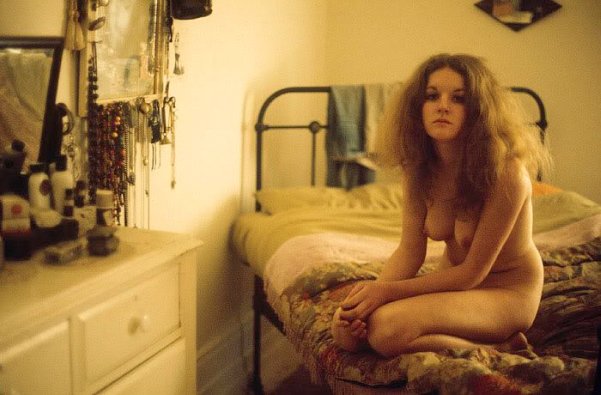
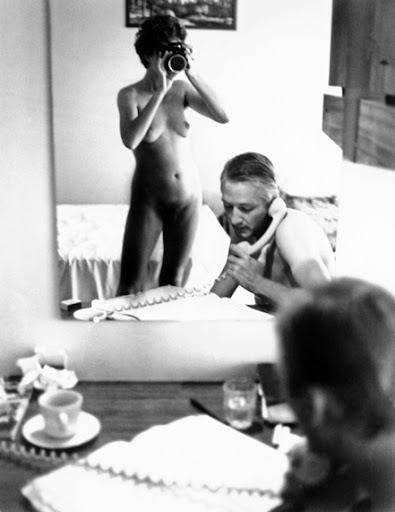
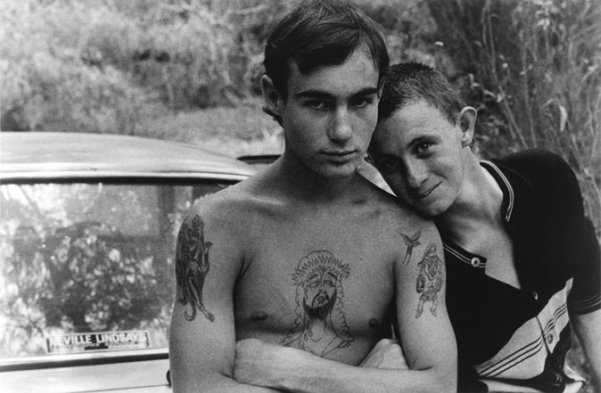
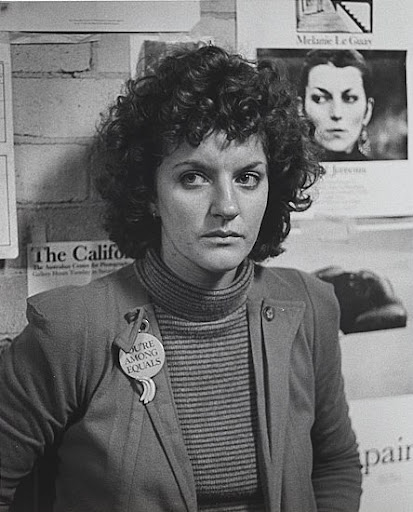
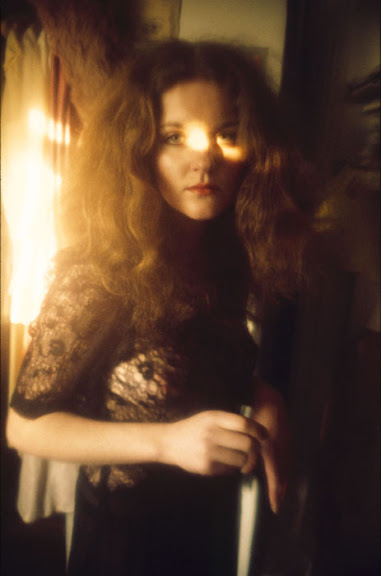
Iconic images that define a country have always fascinated me, and Vale Street, along with other photographs and self-portraits by Carol Jerrems perfectly capture an Australia of the 1970's long forgotten by time. You can practically hear Madder Lake playing in the background when viewing her work. And this excellent documentary chronicling the life and untimely death of the artist puts the viewer dead center into an Australian culture that was as vibrant as anything that was happening in either Europe or the States during the same period.

Included in this post is a short film featurette by Jerrems that was included in the DVD. We've also added it to the download. Enjoy.


From Peter Wilmoth at The Age:

It was when Carol Jerrems was making a film about a gang of 15-year-old sharpie boys from Heidelberg, most of whom had been expelled from school and, in their own words were involved in "bashing, beer, sheilas, gang bangs - which is rape - gang fights, billiards, stealing and hanging out" that she found out most clearly the cost of getting involved with her subjects.

"So far I have myself only narrowly escaped rape but was bashed over the head by the main actor while driving my car, which had just been dented by the rival gang with sticks. They steal my money and cigarettes when I'm not looking, but I refuse to be deterred."

Very little deterred Jerrems, even the game in which the sharpie boys drew straws to see who would "go off" with her. Her shy, earnest demeanor and angelic face framed by golden frizz belied a ferocious appetite for photographs that would capture the moment, a thirst for the next great shot that could - and sometimes did - endanger her life.

Friend Michael Edols recalls in a new film about her life that he and Jerrems went into a pub in Sydney's Redfern. "I remember watching Carol in the middle of this room and she turned her camera on this young man and photographed him." The man grabbed at Jerrems and tore off her necklace while Edols dragged her out of the pub and into the car. "On the way out," Edols says, "I got whacked in the chest and cracked two ribs. We had every window of the car totally smashed in, including the headlights."


girl in a mirror: a portrait of carol jerrems

"Carol was very shy and she didn't like being shy and she was always pushing against her inhibitions and her limits, and that often led her to dangerous situations," says Kathy Drayton, the director of Girl In A Mirror, about this extraordinary photographer's intense, short life. "There was a certain amount of naivety.

"Her photographs engage the viewer in an intimate relationship with her subjects. It's not always a friendly intimacy - sometimes her subjects look defensive, irritated or even menacing, but you always sense that you're seeing beyond the mask into the soul."

Jerrems was born in Melbourne in 1949, grew up in middle-class Ivanhoe and studied photography at Prahran College between 1967-70, where she was filmmaker and photography teacher Paul Cox's best student. "She stood out, she was odd," Cox says in the film. "She had this odd little smile."

Jerrems had found her calling early. In her second year at college, her confidence was such that she made up a stamp, "Carol Jerrems, Photographic Artist" which she would stamp on all her finished prints. "We were a bit scared of Carol," former Daddy Cool guitarist Ross Hannaford, who was also at Prahran, says in the film. "She was real serious. Carol was the first feminist I ever met. I remember she gave me a lift home once. I said 'Thanks, baby'. She said 'Come here. You don't call me baby.' Got a bit of a lecture."


girl in a mirror: a portrait of carol jerrems

Jerrems' success came quickly. In 1972, Rennie Ellis, the Melbourne photographer who died in 2003, opened Australia's first dedicated photographic gallery, Brummels, in South Yarra and selected the 23-year-old Jerrems' work as part of its first exhibition, a show called Erotica.

Always carrying a camera and flirting with the idea of danger, Jerrems wanted to capture the raw edges of the world she saw around her, subjects others weren't focusing on artistically: sharpie subculture, street life and urban indigenous people. "People were stereotyping indigenous people," said a friend, Ron Johnson. "I think Carol was showing 'This is not what it's all about, look, look at the expressions on people's faces - see what they're really feeling."

"People at the time were interested in traditional Aboriginal people while Carol was solely interested in urban Aboriginal people," says Kathy Drayton. "And at the time, sharpies were considered to be real bogans so it was unusual for someone of Carol's background to be interested in them."

Jerrems found work teaching photography at Heidelberg College, in the middle of a tough housing commission area. She was fascinated by the anti-social wildness of the boys, and spent time photographing them swimming in rivers, hanging around in backyards, wearing their skinned-rabbit jumpers, tight jeans and short curtains of fluffy dyed hair.

In this milieu, Jerrems found what Drayton calls the "brash sexuality of Australian youth in the '70s, a sexuality laced with vulnerability and darkness", and it inspired her most famous photograph. Vale Street 1975 is a mesmerising portrait of Melbourne model Catriona Brown flanked by two sharpie teenagers, the boys standing just behind in the shadows. The shot was taken at a house in Vale Street, St Kilda, at the end of a long day of shooting. Brown had asked Jerrems to take a shot for her folio, and Jerrems agreed, as long as she could shoot the boys with her, and use the shot for her folio.


girl in a mirror: a portrait of carol jerrems

The photograph is, says Drayton, regarded as a significant moment in Australian photography "as it bridges documentary realism and the more subjective style of photography that marks the post-modern era". The power of the photograph was the human connection. "Jerrems does not presume that she is outside the event without influence on it," wrote Helen Ennis, former curator of photography at the National Gallery of Australia.

Jerrems' development as a portrait photographer coincided with rising interest in photography as an art form in Australia. Photographers were beginning to be deeply involved with their subjects rather than discreet observers shooting at a distance. Jerrems saw the traditional documentary style of photography as exploitative and believed the more personal collaborations between photographer and subject to be more honest, even if they were more risky personally.

Paul Cox once wrote: "She had to experience everything and feel things deeply before she could record them. She lived to the fullest, then withdrew into her own world."

Part of the power of Jerrems' work stems from its reflection of a certain pocket of life in the mid to late 1970s, the world of filmmakers, photographers and other creative types living in group houses. The sexual freedom and youthful confidence of the time, as enunciated and encapsulated by Skyhooks' Living In The Seventies album, is everywhere in her work. Drayton says Jerrems was "adventurous and forthright in her sexuality", having affairs with many of her friends, men and women, reflected in her work, "at times seductive, at others, frankly post-coital".


girl in a mirror: a portrait of carol jerrems

In the film, one of her great loves, the filmmaker Esben Storm, remembers Jerrems arriving in Sydney with new photographs. "Inevitably they'd be photographs of her waking up . . . with someone. While I'd been off sort of having wild times, she'd be having her wild times. She would sleep with someone and that would mean there would be an intimacy that would allow her to take photographs.

"It was the time of free love in a way, even though we weren't that free. There were ideals that it was uncool to be jealous and that you weren't possessive. We all tried to live by that, even though we couldn't really."

Greg Macainsh, Skyhooks' songwriter, remembers Jerrems photographing the band for a book called Million Dollar Riff. "She came to a number of gigs," he says now. "She was very quiet, reserved. She would make herself virtually invisible. I remember her in the dressing room being very still in the corner. She didn't take a lot of shots, she would wait for the right moment. She wasn't a motor-drive type, she was a bit like a sniper, waiting for the perfect opportunity."

Ross Hannaford was close to Jerrems for a while at Prahran College and remembers the seriousness with which she pursued her photography. "It was a time when there was incredible optimism in the air," he says now. "If you had a dream, you could do it. There didn't seem to be anything holding people back. I'd watch Carol shooting and I didn't realise what she was up to. 'What are you taking all that rubbish for?' But when you look back it seemed to encapsulate the times and the life around you. Her work took on a significance later on."

But amid the gaiety and youthful charge in Jerrems' pictures, Helen Ennis says a distinct change in mood is evident in the work. "The early photos between 1972 and 1975 were all about optimism. There's a huge amount of energy in them. It was all bound up with the excitement about the Whitlam government and this desire for change. But from 1976 I don't think they were anywhere near as optimistic."


girl in a mirror: a portrait of carol jerrems

Darkness

It wasn't just the Whitlam dream fading that gave Jerrems' work this darkness, nor the mood captured in the Skyhooks song Whatever Happened To The Revolution? ("We all got stoned and it drifted away"). While there is great exuberance in the decade the film documents, there is also a profound sadness about Jerrems' life. The odd little smile that Paul Cox talks about is rarely seen in the several self-portraits that feature in the film. Instead, there are many hints of the depression that she struggled with. Her friend Robert Ashton, who lived with Jerrems in a group house, remembers her bedroom door being closed for hours and even days.

In 1979, Jerrems went to Hobart to teach. Shortly after arriving she was diagnosed with polycythemia, a rare blood-related cancer. She underwent months of invasive and painful procedures, but came to a realisation she was dying. Jerrems photographed and wrote about her physical decline. She photographed doctors hovering, the scars on her stomach, and her mother, with whom she had a difficult relationship, visiting. As the camera pauses on a shot of her mother, an actress reads from Jerrems' journal: "She is one of the few people with the ability to push me over the edge into tears or screaming."

Carol Jerrems died in Melbourne in February 1980, three weeks before her 31st birthday. Her work was bequeathed by her mother to the National Gallery of Australia. In 1990 a retrospective was staged, but until now Jerrems has remained unknown outside photographic and film circles.

Girl In A Mirror gives an insight into the counterculture of the 1970s - the music, the cars, the fashions, the social tensions, the sexual experimentation. Kathy Drayton, with help from the National Gallery of Australia, had access to hundreds of Jerrems' photos as well as shots from Rennie Ellis (who photographed Jerrems often), friend Robert Ashton and Henry Talbot. The journals Jerrems kept after 1975 are used to "narrate" the film.

Drayton, who has worked as an editor with SBS television as well as editing a variety of independent experimental films and short dramas, says her interest in Jerrems was piqued when she saw three of her photographs at a New South Wales Art Gallery exhibition. The "deceptively simple power and beauty" of the three photos haunted her, and she began to research Jerrems.

"There's an emotional intensity and intimacy with Carol's photographs," she says.

Who was Carol Jerrems? "There were a huge number of perspectives from people about Carol," says Drayton. "She went into roles with people, played games. She became whatever people wanted her to become."


girl in a mirror: a portrait of carol jerrems

Technical Information:

Title: Girl in a Mirror: a Portrait of Carol Jerrems
Year: 2005
Country: Australia
Director: Kathy Drayton

Source: DVD Retail
Video Codec: XviD
Container: .mp4
Size: 568 MB
Length: 0:55:31
Programs used: Unknown

Resolution: 640x368
Aspect Ratio: 16:9
Video: MPEG4 @ ~2500 kb/s
Frame Rate: 25 fps

Audio: English- AAC Stereo @ 127 kb/s
Subtitles: None

Bonus: Hanging About (a short film by Carol Jerrems)


girl in a mirror: a portrait of carol jerrems


Girl in a Mirror Megaupload Link


Waldemar Janusczak- Picasso: The Full Story (2002)- DVD Rip (XviD)

picasso- the full story
In the next few weeks we're going to do our damndest to fill out the documentary section, which will give you folks some rest from the 7 gig downloads that we normally post.

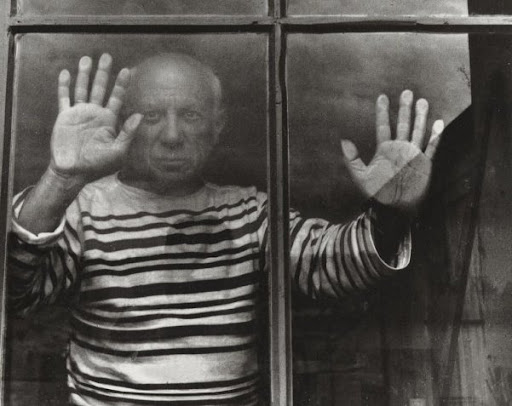
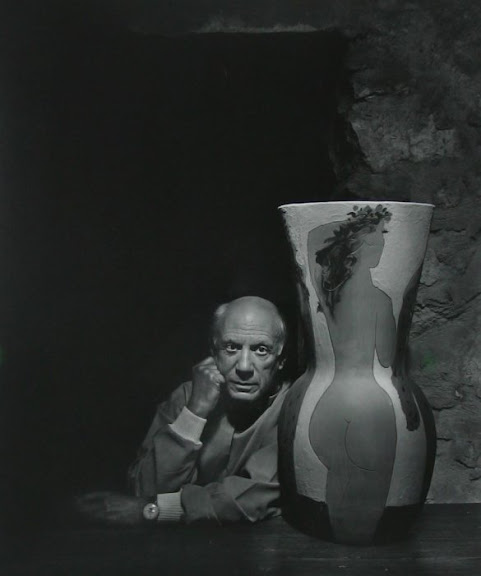
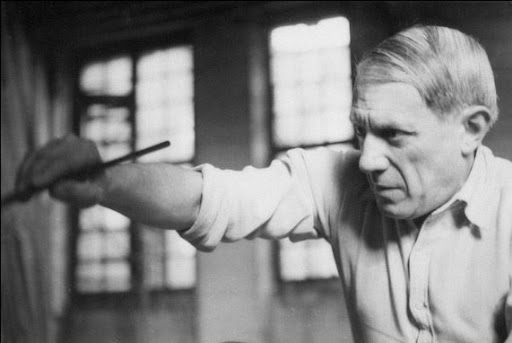
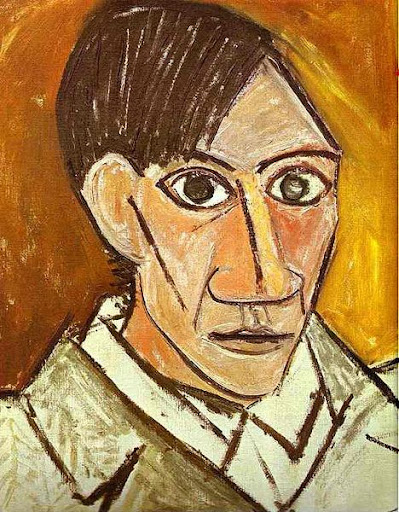
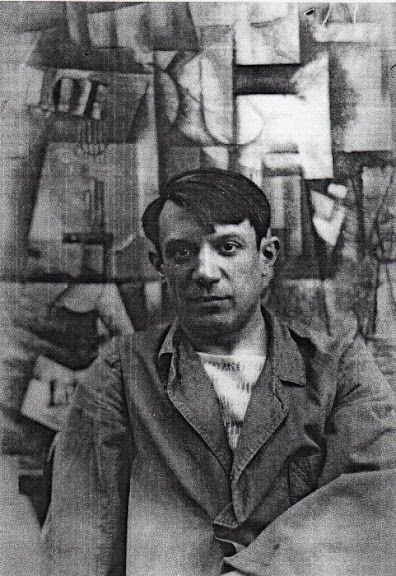
Here's an excellent Picasso documentary for your approval. What makes this documentary stand out from other Picasso docs is that it's from the viewpoint of Picasso's close friends and family, which gives personal insight into the artist, and explores the magical and human aspects of this artistic genius. This is a must-see. Enjoy!


picasso- the full story

From DVD Times:

Part 1: Magic
Magic traces Picasso’s early influences back to his birth in Malaga in 1881 and early childhood in Barcelona, attempting to relate his artistic power with the influence of Southern Spanish Andalusian gypsy lore, comparing the “search for the sacred fire” in his painting with voodoo and shamanism, where women are seen as sacrificial offerings made for his art. This is intriguing and Richardson makes a good case, examining numerous works and tying this into the well-known influence of the powerful symbolism of tribal and prehistoric art on Picasso’s later work. There is undoubted power in Picasso’s work and it is worth examining what the secret of that force is, but calling it ‘magic’ feels somewhat sensationalist and is far from convincing. What the first part manages to do successfully however is draw a clear line between Picasso’s life and the various early periods of his artwork, making a good connection between the duality of sex and death in Picasso’s work up to 1916; the death of his friend Cassagenes in Paris in 1900 as the inspiration for his Blue Period; his affair with model “La Belle Fernande”, their visits to Gosol and the beginning of his Rose Period; and the development of cubism with Braque. Particular attention is given to his ground-breaking work on “Les Demoiselles d’Avignon”, examining the influences of tribal art, early Iberian art and El Greco on this key work.


picasso- the full story

Part 2: Sex
Sex focuses on the numerous women in Picasso’s life (although they weren’t exactly scarce in the first part). Again, this episode is very well constructed and thematically strong, full of intriguing links between Picasso’s life and loves and the powerful influence the various women had on his work. This part looks at Picasso’s work with Jean Cocteau on a cubist ballet, his marriage to ballet dancer Olga Koklova, their visit to Pompeii and its influence on his fascinating Neo-Classical Period, leading to the brief refinement of his Duchess Period. It’s not easy to keep up with the numerous affairs he conducted while married to Olga, but Marie-Therese Walther and Dora Maar are singled out for particular attention, the programme examining the various depictions of women and sex in Picasso’s work, finding them not erotic or salacious, but deeply powerful, matching the tone of the content to the intensity and the secrecy of those relationships. It briefly tackles more recent charges of misogyny, but quickly dismisses them as being culturally endemic in Picasso’s Andalusian make-up, seeing women in the dual aspect of Madonna and whore. This part ends with a fascinating new look at the masterpiece “Guernica”, interpreting it as the war in Picasso’s own life between his various mistresses, which is something I hadn’t heard before and it makes the case very well.


picasso- the full story

Part 3: Death
Death charts the final stage in Picasso’s life from the war years in Paris through to his time in Antibes, his later involvement with the Communist Party, the Peace Movement and the years leading up to his death in 1973 at the age of 91. This is the period the presenter Richardson is most familiar with as it was the time he came to know Picasso, but there is surprisingly little personal reminiscence. The episode nevertheless covers well Picasso’s work and his relationship with the women in his life. These later years are marked with a struggle to remain vigorous and active against the encroaching spectre of death by keeping plenty of younger women around. Francoise Gilot, his lover and 40 years his junior at the time, contributes to this section with comments on the work he created in his later years, on the paintings that show the joy of life and the ceramics in which she is immortalised. His final works, revisiting and reworking the old masters, is also examined, along with his final years with Jacqueline Roque.


picasso- the full story

Technical Information:

Title: Picasso: The Full Story
Year: 2002
Country: U.K.
Director: Waldemar Janusczak

Source: DVD Retail
Video Codec: XviD
Container: .AVI

Size:
Part1- 1.09 GB
Part2- 746 MB
Part3- 746 MB

Length:
Part1- 01:16:53
Part2- 00:49:09
Part3- 00:49:50

Programs used: Not Available

Resolution: 672x368
Aspect Ratio: 16:9
Video: MPEG 4
Frame Rate: 25 fps

Audio: English- AC3 Stereo @ 224 kb/s
Subtitles: None


picasso- the full story


Picasso: The Full Story Megaupload Links


Christian Poveda- La Vida Loca (2008)- DVD Rip (XviD)


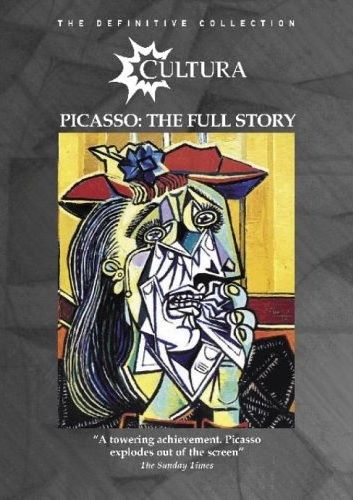
I haven't had a chance to view this documentary yet, but with a backstory that this film carries, I thought posting it would be a good idea. It's a tragedy when someone has to die for a cause or when exposing truth, and it seems like El Salvador is one of those countries where shining a light on the underbelly of society will more than likely get you a bullet in the head. This is what tragically happened to documentarian Christian Poveda after finishing this film. The gangs which were the subject of this documentary chose to end his life, and at the same time ended his art. This is what's left.


From Deborah Bonello at the L.A. Times:

“La Vida Loca” reflects a depressing and hopeless reality. The documentary, by photojournalist and filmmaker Christian Poveda, follows some of the members of "la dieciocho," the so-called 18th Street gang in a poor San Salvador neighborhood.

“Little One” is a 19-year-old mother with an enormous "18," reflecting her membership in the 18th Street gang, tattooed on her face. The numbers stretch from above her eyebrows down onto her cheeks. “Moreno” is a 25-year-old male member of the same gang who works in a local bakery set up by a nonprofit group called Homies Unidos. The bakery eventually folds when its owner is arrested and sentenced to 16 years in jail on homicide charges.And "Wizard," another young mother and gang member, who lost her eye in a fight, is followed by Poveda during a long series of medical consultations and operations to fit her with a replacement glass eye. She’s shot and killed before the end of the film. Stories like that, punctuated with funerals attended by silent, heavily tattooed male gang members and wailing young wives, mothers and girlfriends, make up the sum of “La Vida Loca.”
The nature of their existence meant that Poveda had to spread his camera lens wide in the 16 months he spent shooting the film. “I knew right from the start that I couldn't film just one character,” he explains during an interview on a trip to Mexico last month when “La Vida Loca” was part of the Guadalajara International Film Festival. “Firstly, they get bored after a couple of months and don't want to be filmed anymore. Or two, they get put in jail, or they get killed.” That's a reality that Poveda feels a lot of Americans don’t know about and should.“Americans have to realize how much damage the U.S. has done to this region,” he says.


Poveda, who lives in San Salvador and has worked as a photojournalist covering the country before, during and after the 12-year-long civil war that began in 1980, is talking from experience. The current situation in El Salvador is one of the less-inspiring examples of the long-standing social and economic ties between the United States and Latin American countries, he argues. Gangs were formed by Salvadorans living on the streets of Los Angeles in the 1980s. When the peace accords that ended the civil war were signed in El Salvador in the early 1990s, huge numbers of gang members returned to the country, some of them by choice but most of them through deportation by U.S. authorities. Many were sent back after completing prison sentences. As Rocky Delgadillo, a Los Angeles city attorney, notes in his column for the L.A. Times, “this only exacerbated the problem, spreading gangs like a virus until they grew into transnational super-gangs'.”

Poverty and a lack of opportunities in post-war El Salvador made the country a ripe recruiting ground, but gangs did exist in El Salvador before that. Tracy Wilkinson noted in her 1994 report on the issue for the L.A. Times: “Gangs have existed in El Salvador since the late 1950s, but until recently they were more likely to be associated with schools and would fight each other over things like basketball games, perhaps over territory, but not over business interests or crime franchises. The student gangs were not inclined to attack outsiders, and their weapons usually were nothing more deadly than knives. The war between leftist guerrillas and U.S.-backed armies in the 1980s made these gangs more violent as it made society more violent.”

However, it was after the United States began implementing their deportation policy in the 1990s that the groups grew into the super-gangs that they are today, with cliques all the way through Central America and Mexico as well as, of course, a huge presence in the U.S. Speaking at the Mexico City premiere of “La Vida Loca” last month, Poveda said officials estimate there are 15,000 gang members in El Salvador; 14,000 in Guatemala; 35,000 in Honduras; and 5,000 in Mexico. The biggest population of gang members still resides in the U.S., with an estimated 70,000 living there, he said.


As far as Poveda is concerned, the vast majority of the gang members in El Salvador are “victims of society, of our society. " A desperate reaction to a desperate situation. Many would disagree. The brutally violent groups have been connected with organized crime and other illegal activities. Here in Mexico, they’re one of the parties blamed for the high levels of violent attacks and robberies against migrants traveling from Central America and heading north to the United States. But Poveda says that their big, bad image makes them an easy target and a convenient scapegoat for crimes difficult for governments to control. He also differentiates between gang members living in the United States and those living in El Salvador. “They live in completely different economic situations,” he says. “It’s not the same thing selling drugs in the central market of San Salvador as it is selling drugs on Sunset Boulevard in Los Angeles,” he says, referring to the kind of profits gang members make in the two places.

When asked if he can see a day when the gangs cease to exist, Poveda says that the destruction of the networks is not the point. “If you want to improve things, the first thing to know is that it’s not about making the gangs disappear. They need to be given another focus.”

...

Sadly Poveda died last year:

Suspected Salvadorean gang members killed French filmmaker Christian Poveda, whose 2008 film “La Vida Loca” crudely depicts the hopeless lives of members of the infamous Mara 18 street gang, local police said on Wednesday. Poveda, 53, was shot on a road 10 miles north of the capital of San Salvador, as he drove back from filming in La Campanera, a poor, overcrowded suburb and a Mara 18 stronghold. President Mauricio Funes said in a statement on Wednesday night that he was “shocked” by Poveda’s murder and ordered a thorough investigation.


Technical Information:

Title: La Vida Loca
Year: 2008
Country: Mexico, El Salvador
Director: Christian Poveda

Source: DVD Retail
Video Codec: XviD
Container: .avi
Size: 850 MB
Length: 1:29:46
Programs used: unknown

Resolution: 640x368
Aspect Ratio: 16:9
Video: MPEG 4 @ ~1324 kb/s
Frame Rate: 25 fps

Audio: MP3 Spanish @ 128 kb/s
Subtitles: English


La Vida Loca Megaupload Link